
If your dentist has told you that you need a root canal, one of your first questions is probably, “How many appointments will this take?” You may be juggling work, school pickups, or a packed Rochester-area calendar, and you want the pain gone without losing weeks to treatment.
The honest answer is that many root canals can be finished in a single visit, but some teeth need two or more appointments. Neither approach is automatically better. What matters is what’s happening inside your tooth.
Here’s how that decision gets made, what research says about it, and what you can expect if you’re considering root canal therapy in Webster, NY.
What a Root Canal Actually Involves
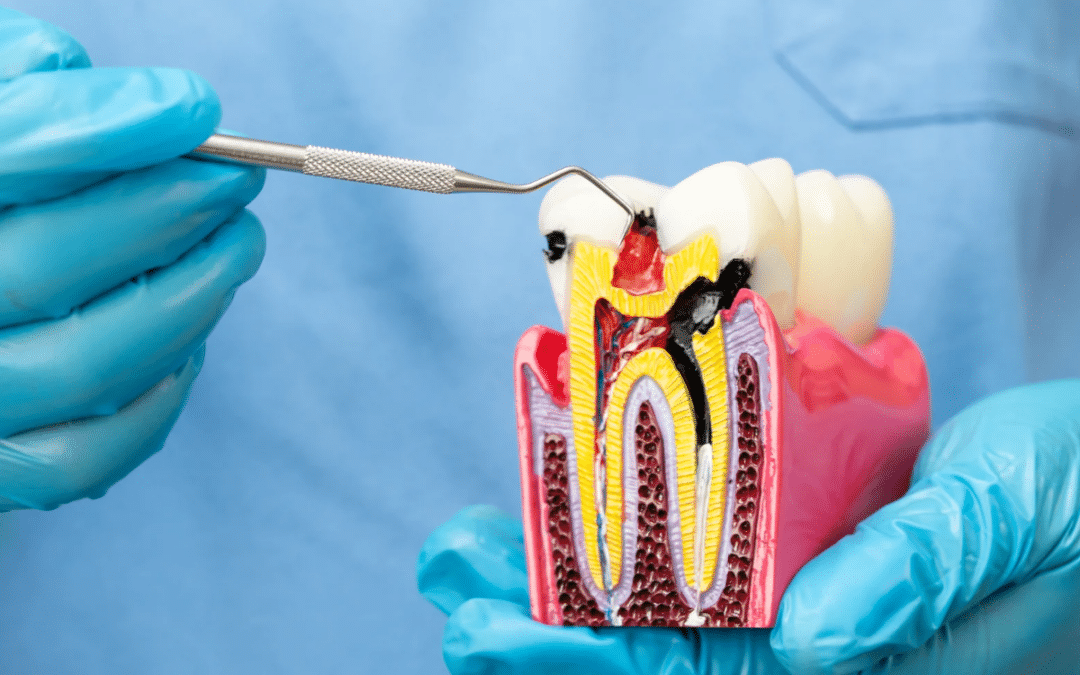
Inside every tooth is a soft center called the pulp, which contains nerves and blood vessels. When the pulp becomes infected or inflamed, usually from deep decay, a crack, or repeated dental work, it can cause throbbing pain, sensitivity, swelling, or an abscess.
Root canal treatment (also called endodontic therapy) removes the infected tissue, cleans and shapes the canals, and seals them so bacteria can’t return. The goal is to save your natural tooth instead of extracting it.
The procedure generally follows these steps:
- The tooth and surrounding area are numbed with local anesthesia.
- A small opening is made in the top of the tooth.
- The infected or inflamed pulp is removed.
- The canals are cleaned, disinfected, and shaped.
- The canals are filled and sealed.
- The tooth is protected with a filling or, often, a crown.
Whether steps 1 through 5 happen in one sitting or are split across two appointments is the “one visit vs. multiple visits” question.
Can a Root Canal Be Done in One Visit?
Yes, in many cases. Single-visit root canal treatment means the canals are cleaned and then filled and sealed during the same appointment. Dentists often consider this approach when:
- The nerve is still alive. The tooth is inflamed but not severely infected.
- The infection is localized. There’s no large abscess or significant swelling.
- The canal anatomy is straightforward. Front teeth and some premolars often have fewer canals.
- You can comfortably sit for a longer appointment.
- The tooth can be isolated and kept clean throughout treatment.
Benefits of a One-Visit Root Canal
- Fewer trips and less time away from work or family
- Relief from the problem tooth in a single session
- No temporary filling that needs to hold up between visits
- Less dental anxiety for patients who dread returning
When Are Multiple Appointments Needed?
Sometimes splitting treatment is the safer, more thorough choice. A root canal may be spread over two or more visits when:
- There’s a significant infection or abscess. Medicated material may be placed in the canals between visits to help disinfect them.
- The tooth has complex anatomy. Molars can have multiple, curved, or hard-to-find canals.
- You’re in considerable pain or swelling. Sometimes the first goal is calming the area down.
- The tooth has been treated before. Retreatment can take more time and care.
- A long appointment isn’t practical. Some patients, including those with medical conditions that make sitting still difficult, are more comfortable with shorter visits.
- Draining or healing is needed before the canal can be sealed.
Needing a second visit does not mean something went wrong. It usually means your dentist is taking the time to treat the infection properly.
What Does the Research Say?
Patients often assume one visit is “better” because it’s faster, or that multiple visits must be “more thorough.” The evidence doesn’t strongly support either assumption.
A Cochrane review, one of the most respected types of medical evidence summaries, compared single-visit and multiple-visit root canal treatment in permanent teeth. Its authors found no evidence that either approach is better, and noted that neither can prevent every short- or long-term complication. X-ray healing results also showed no apparent difference between the two.
The review did note that patients in single-visit groups were more likely to report pain within the first week, though painkiller use did not differ in the updated analysis.
What that means for you: the right number of visits depends on your tooth and your situation, not on a one-size-fits-all rule. That’s why a proper exam and X-rays come first.
What Affects How Many Visits You’ll Need?
When our team evaluates a tooth, we consider factors such as:
- Which tooth it is. Molars are typically more complex than front teeth.
- The condition of the pulp and surrounding bone, as seen on X-rays and during your exam
- Your symptoms, including pain, swelling, and sensitivity to hot, cold, or biting
- The presence of infection
- Your health history and comfort level
- Whether the tooth has been treated before
No responsible dentist can promise a one-visit root canal before examining the tooth. If someone does, ask how they reached that conclusion.
What to Expect With Root Canal Therapy in Webster
At Innovative Dental, we provide dental care for Webster families and neighbors in the surrounding Monroe County area. If you’re dealing with a painful tooth, our team will:
- Start with a thorough exam and imaging to understand what’s going on
- Explain your diagnosis in plain language, including whether a root canal is the best option versus other treatments
- Talk through your likely treatment timeline, including whether one visit looks realistic or whether more may be needed
- Focus on your comfort, with local anesthesia and a conversation about any anxiety you have
- Discuss what comes next, including how to protect the tooth afterward and what to expect for costs and insurance
We can’t predict every outcome, and no dentist should. What we can do is give you honest information and a clear plan, so you’re never guessing.
Caring for Your Tooth After a Root Canal
Whether your treatment takes one visit or two, aftercare matters:
- Expect mild soreness for a few days. Follow your dentist’s guidance on pain relief.
- Avoid chewing hard foods on the treated tooth until it’s fully restored.
- Don’t skip the final restoration. A root canal tooth often needs a crown to protect it from fracturing.
- Keep up with brushing, flossing, and regular checkups.
- Call us if you notice swelling, fever, severe pain, or a bite that feels uneven.
Signs You Shouldn’t Wait to See a Dentist
Delaying treatment can allow infection to spread. Contact a dentist promptly if you notice:
- Persistent or throbbing tooth pain, especially at night
- Lingering sensitivity to hot or cold
- Swelling in the gums, face, or jaw
- A small pimple-like bump on the gum
- A darkened tooth
- Pain when chewing or touching the tooth
If you have facial swelling that affects breathing or swallowing, or you develop a fever with a severe toothache, seek emergency care right away.
Frequently Asked Questions
Is a one-visit root canal as effective as a multi-visit root canal?
Research reviews have found no evidence that one approach is better than the other for healing outcomes. The best choice depends on your tooth, the level of infection, and the complexity of the case.
Why do some root canals take two visits?
Two visits may be recommended when there’s significant infection, complex canal anatomy, swelling, or a retreatment case. A second visit gives the area time to calm down and allows more thorough disinfection before the canals are sealed.
How long does a root canal appointment take?
It varies with the tooth. Front teeth are often quicker, while molars take longer. Your dentist can give you a realistic estimate after examining your tooth and X-rays.
Does a root canal hurt?
The area is numbed, so you shouldn’t feel pain during treatment, though you may feel pressure. Some soreness afterward is common and usually manageable. Tell your dentist right away if anything feels uncomfortable during the procedure.
Will I need a crown after a root canal?
Often, yes, particularly for back teeth that handle heavy chewing forces. Your dentist will advise you based on how much natural tooth structure remains.
Ready to Find Out What Your Tooth Needs?
A painful tooth doesn’t get better on its own, and knowing your options removes a lot of the worry. If you think you may need a root canal, or you want a second opinion on a recommended treatment, our team at Innovative Dental is here to help.
Contact Innovative Dental in Webster, NY, to schedule an exam. We’ll take the time to explain what’s going on, answer your questions, and build a treatment plan that fits your schedule and comfort.