
Losing a tooth can happen for many reasons, including injury, tooth decay, gum disease, or even a failed dental restoration. While some people immediately look for a replacement, others assume that if the missing tooth isn’t visible when they smile, there’s no urgency to do anything about it.
The truth is that even a single missing tooth can affect more than your appearance. Over time, it can influence how you chew, speak, clean your teeth, and even how your jawbone supports your facial structure. What may seem like a small gap today can gradually lead to more complex oral health concerns if left untreated.
If you’ve been researching dental implants in Webster, you may already be exploring long-term tooth replacement options. At Innovative Dental, we help patients throughout Webster, New York, restore their smiles with personalized treatment plans designed to protect both their oral health and their confidence. Understanding what happens after tooth loss can help you make an informed decision about your next steps.
A Missing Tooth Affects More Than Your Smile
Many people assume a missing tooth is primarily a cosmetic issue, especially if it’s located toward the back of the mouth.
While appearance is certainly important, every tooth has a specific role in helping you chew efficiently, maintain proper bite alignment, and support the surrounding teeth.
When one tooth is lost, the entire balance of your smile begins to change. These changes usually happen gradually, making them easy to overlook until they become more noticeable.
Nearby Teeth Can Begin to Shift
Your teeth naturally support one another. When a tooth is missing, the neighboring teeth no longer have that support.
Over time, they may begin to:
- Lean into the space.
- Shift out of alignment.
- Create uneven spacing.
- Affect the way your upper and lower teeth come together.
Even small movements can make cleaning more difficult and increase the risk of plaque buildup, cavities, and gum problems.
Bone Loss Can Begin After Tooth Loss
One of the most significant consequences of losing a tooth happens beneath the surface.
Your jawbone depends on stimulation from the tooth’s root during everyday chewing. Once the root is gone, that portion of the bone no longer receives the same level of stimulation.
As a result, the jawbone may gradually shrink over time.
This process, known as bone resorption, can affect both the strength of the jaw and the long-term support for neighboring teeth.
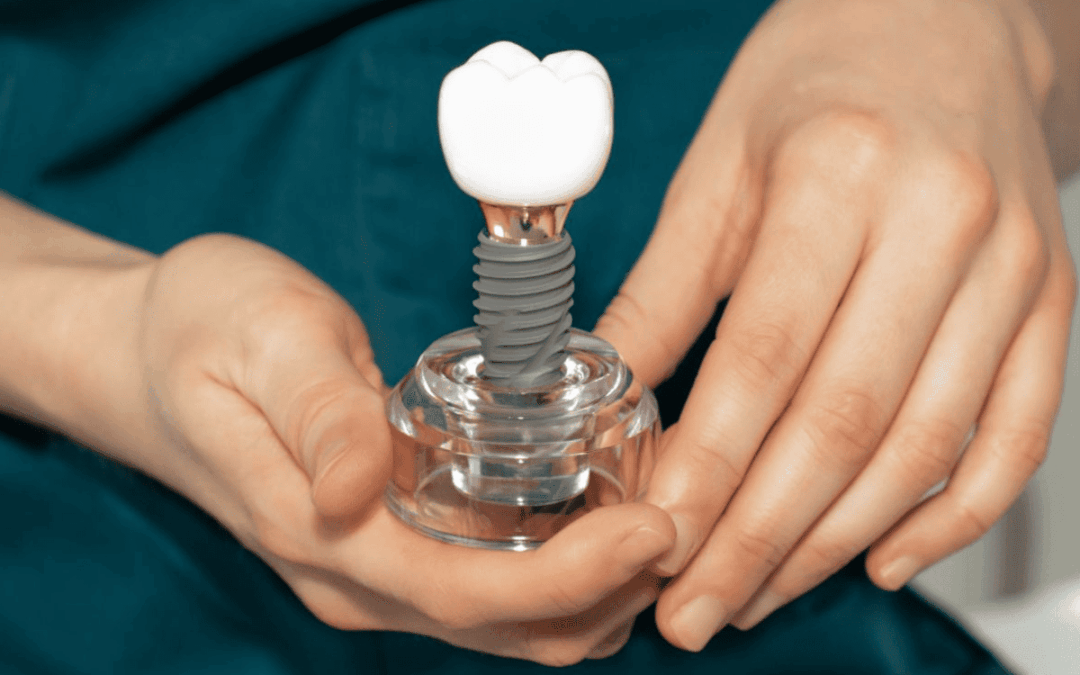
Because dental implants replace both the visible tooth and its root, they are one of the few tooth replacement options that help stimulate the jawbone and support long-term bone health.
Chewing May Become Less Comfortable
Even one missing tooth can change the way you eat.
Many patients naturally begin chewing on one side of the mouth to avoid the gap.
Over time, this habit may place additional stress on certain teeth while reducing chewing efficiency.
You may notice difficulty eating foods such as:
- Apples.
- Nuts.
- Steak.
- Fresh vegetables.
- Crusty bread.
Restoring the missing tooth helps distribute biting forces more evenly across your smile.
Your Bite Can Change Over Time
When teeth shift and chewing patterns change, your bite may gradually become less balanced.
This can contribute to:
- Uneven tooth wear.
- Increased pressure on certain teeth.
- Jaw discomfort.
- Difficulty biting comfortably.
Maintaining a stable bite is an important part of protecting your long-term oral health.
Speaking Clearly May Become More Difficult
Depending on the location of the missing tooth, speech may also be affected.
Certain sounds rely on the proper interaction between your tongue and teeth. When a tooth is missing, pronunciation of some words may feel slightly different.
Although many patients naturally adapt over time, replacing the tooth often restores more normal speech patterns.
Your Confidence May Be Affected
For many people, the emotional impact of tooth loss is just as important as the physical effects.
You may find yourself:
- Smiling less often.
- Covering your mouth while laughing.
- Feeling self-conscious during conversations.
- Avoiding photographs.
- Becoming less confident in social or professional situations.
Restoring a complete smile often helps patients feel more comfortable and confident in everyday life.
Why Acting Sooner Can Make Treatment Easier
It’s understandable to delay treatment if a missing tooth isn’t causing pain. However, waiting too long can allow changes in the jawbone and surrounding teeth to progress.
Seeking care sooner may help:
- Preserve jawbone structure.
- Maintain tooth alignment.
- Simplify treatment planning.
- Protect neighboring teeth.
- Restore normal chewing sooner.
An early evaluation allows your dentist to recommend the most appropriate treatment before additional concerns develop.
Understanding Your Tooth Replacement Options
There isn’t a one-size-fits-all solution for replacing missing teeth. The right option depends on factors such as your oral health, the location of the missing tooth, and your long-term goals.
Common treatment options include:
Dental Implants
Dental implants replace both the tooth root and the visible tooth, providing a stable, long-lasting solution that closely resembles a natural tooth in appearance and function.
Dental Bridges
A bridge replaces one or more missing teeth by anchoring an artificial tooth to neighboring teeth. This option may be appropriate in certain situations where implants are not the preferred choice.
Dentures
Partial or full dentures can replace multiple missing teeth and restore chewing ability and appearance. Advances in modern dentistry have made today’s dentures more comfortable and natural-looking than many people expect.
During your consultation, we’ll explain each option and help you choose the solution that best fits your needs.
Personalized Tooth Replacement at Innovative Dental
At Innovative Dental, we understand that every patient’s smile is unique. That’s why we take the time to evaluate your oral health, discuss your concerns, and recommend treatment options that align with your goals.
We provide comprehensive restorative dentistry services for patients throughout Webster, New York, including dental implants, bridges, crowns, dentures, and other tooth replacement solutions. Our goal is to restore the health, function, and appearance of your smile while helping you make informed decisions about your care.
Whether you’ve recently lost a tooth or have been living with a gap for years, our team is here to help you explore your options with confidence.
Frequently Asked Questions
Is it really necessary to replace one missing tooth?
Yes. Even one missing tooth can affect your bite, jawbone, neighboring teeth, and overall oral health over time.
Why are dental implants often recommended?
Dental implants replace both the tooth root and crown, helping support jawbone health while providing a stable, natural-looking restoration.
Can I wait before replacing a missing tooth?
Every situation is different, but delaying treatment may allow bone loss and tooth movement to occur, which could make future treatment more complex.
How do I know which tooth replacement option is right for me?
A comprehensive dental examination allows your dentist to evaluate your oral health and recommend the treatment that best meets your needs and goals.
Are dental implants the only option?
No. Depending on your situation, bridges or dentures may also be appropriate solutions. Your dentist will discuss the advantages of each option during your consultation.
Protect Your Smile by Replacing Missing Teeth Early
A missing tooth may seem like a minor inconvenience at first, but the effects often extend far beyond the visible gap. Changes in your jawbone, bite, chewing ability, and confidence can develop gradually, making early treatment an important part of protecting your long-term oral health.
If you’re considering dental implants in Webster, Innovative Dental is here to help. We provide personalized tooth replacement solutions, advanced restorative dentistry, and compassionate care designed to restore both the function and appearance of your smile.
Book Now to schedule your consultation and learn which tooth replacement option is right for you.