
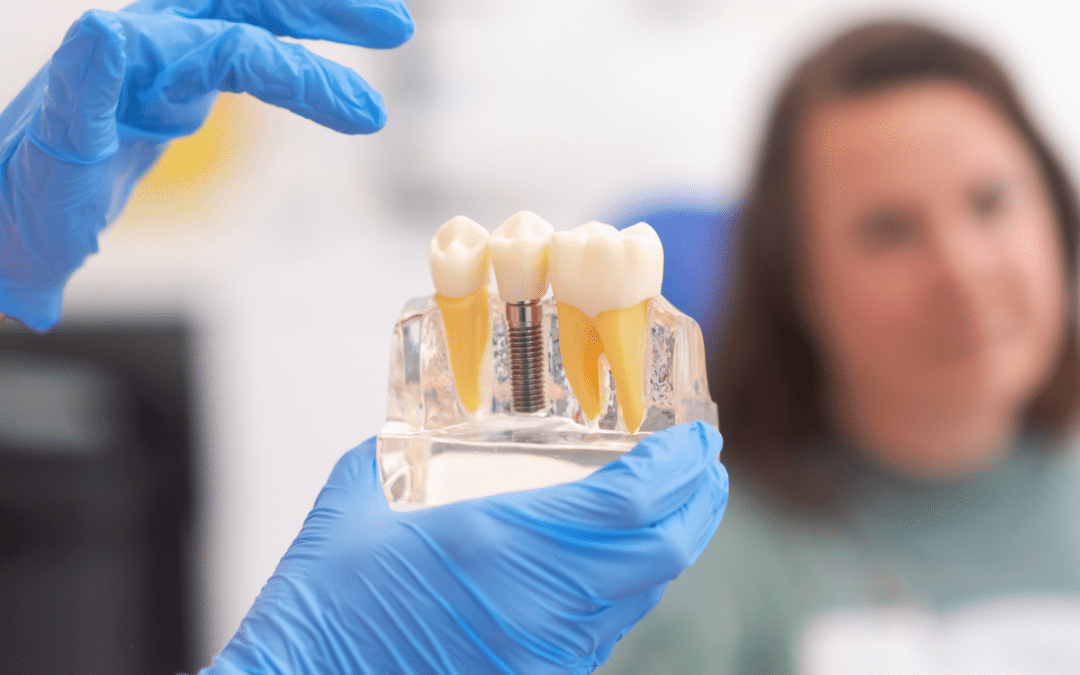
Losing a tooth can feel like something you can deal with later, especially when the gap is not visible or does not cause pain. You may get used to chewing around it, feel comfortable enough, and assume that replacing it is mainly a cosmetic decision. But a missing tooth can affect much more than the appearance of your smile.
Over time, the surrounding teeth, gums, jawbone, and bite can begin to change. These changes may happen gradually, so you may not notice them until the missing tooth creates a larger dental concern. The good news is that losing a tooth does not mean you have lost your options. Modern restorative dentistry offers several ways to replace missing teeth and restore normal function.
For patients considering dental implants Webster, understanding what can happen when tooth replacement is delayed can help you make a more informed decision about your oral health.
Why Does a Missing Tooth Need to Be Replaced?
A natural tooth does more than help you smile. It contributes to chewing, speaking, bite stability, and the health and structure of the jaw.
When a tooth is lost, the root is no longer stimulating the surrounding jawbone. Over time, the bone in that area can gradually lose volume. Meanwhile, nearby teeth may begin moving toward the open space.
This means that an untreated missing tooth can potentially create a chain reaction involving:
- Jawbone changes
- Movement of neighboring teeth
- Changes in your bite
- Difficulty chewing
- Increased challenges with future tooth replacement
- Changes in the appearance of your smile
The extent of these changes varies from person to person. That is why having a dentist evaluate a missing tooth is important, even if you currently feel fine.
What Happens When You Leave a Missing Tooth Untreated?
There is no single timeline that applies to everyone. However, changes can begin after tooth loss and may become more noticeable as time passes.
1. Your Jawbone May Begin to Shrink
One of the most important consequences of prolonged tooth loss is changes in the jawbone.
A natural tooth root provides stimulation to the bone surrounding it. Once the root is gone, that stimulation disappears. The body may gradually resorb some of the bone that previously supported the tooth.
This can affect future restorative treatment.
For example, a patient who wants an implant several years after losing a tooth may have less available bone than they had shortly after the tooth was removed. Depending on the individual situation, additional treatment may sometimes be recommended before implant placement.
This is one reason why an early evaluation can be valuable.
2. Nearby Teeth Can Shift
Your teeth do not exist independently. They work together as part of your bite.
When a tooth is missing, neighboring teeth may gradually move into the open space. A tooth beside the gap can tilt or drift, while the tooth opposite the space may move farther into the area where the missing tooth used to contact it.
Over time, this movement can:
- Change tooth alignment
- Create new spaces
- Cause crowding
- Alter the way your teeth come together
- Make future tooth replacement more complicated
The process is usually gradual, which means you may not notice the changes immediately.
3. Your Bite May Change
A missing tooth can also affect how pressure is distributed when you chew.
If you naturally begin favoring one side of your mouth, the remaining teeth may experience different forces than they did before the tooth was lost. Changes in tooth position can further affect the way your upper and lower teeth meet.
A changing bite may contribute to:
- Uneven tooth wear
- Difficulty chewing certain foods
- Increased pressure on individual teeth
- Jaw discomfort in some patients
- Additional tooth movement
Not everyone with a missing tooth develops these problems, but replacing the tooth can help restore a more balanced chewing system.
Can Waiting Make Dental Implant Treatment More Complicated?
It can.
Dental implants are designed to replace the root portion of a missing tooth and support a restoration such as a crown. Innovative Dental provides in-house implant care in Webster, including implant placement, aftercare, and crowns.
However, whether an implant is appropriate depends on your individual oral health, available bone, gum health, bite, and other factors.
When significant bone changes have occurred, some patients may require additional procedures before an implant can be placed. The exact treatment depends on the amount and location of bone available.
That does not mean an implant is impossible after years of tooth loss. It simply means that delaying treatment may give the dental team more factors to evaluate.
Is It Too Late to Replace a Tooth After Several Years?
Not necessarily.
One of the biggest misconceptions about missing teeth is that if you waited too long, there is nothing that can be done.
Even if a tooth has been missing for years, a dentist can evaluate the area and determine what options may be appropriate.
During an evaluation, your dental team may consider:
- The condition of your gums
- The amount of available jawbone
- The position of surrounding teeth
- Your bite
- Overall oral health
- The location of the missing tooth
- Your treatment goals
Depending on your situation, treatment may involve a dental implant, bridge, partial denture, or another restorative solution.
The important step is finding out what is possible rather than continuing to postpone the evaluation.
Dental Implants Can Be a Long-Term Tooth Replacement Option
For many patients, dental implants are an appealing solution because they are designed to replace the missing tooth root as well as the visible portion of the tooth.
An implant-supported restoration can help restore both appearance and chewing function while providing a stable foundation for the replacement tooth.
At Innovative Dental, our implant services are provided in-house. Dr. Giangreco places implants, provides aftercare, and creates crowns, allowing patients to receive multiple stages of their treatment within the practice.
However, dental implants are not automatically the right choice for every patient. A personalized examination is necessary to determine whether they are appropriate for your situation.
What If You Have Been Missing a Tooth for Years?
If you have already waited, there is no reason to assume that you should continue waiting.
Instead, schedule an evaluation with a local dental practice. A dentist can assess what has changed and explain which options may be available.
Your evaluation may include:
A comprehensive dental examination:
Your dentist will examine the missing-tooth area and the condition of your remaining teeth and gums.
Imaging when appropriate:
Dental imaging can help evaluate the structures beneath the gums and assist with treatment planning.
Bite assessment:
Your dentist can determine whether neighboring teeth have shifted or whether your bite has changed.
Treatment discussion:
You can discuss implants and other tooth replacement options based on your specific needs.
Innovative Dental also uses modern dental technology as part of implant planning and treatment. Its implant care includes customized planning, placement, and restoration, helping patients receive coordinated care from evaluation through restoration.
Why Replacing a Missing Tooth Can Protect Your Smile
Replacing a missing tooth is not simply about filling a space.
A properly planned tooth replacement can help restore:
- Chewing function by providing a replacement for the missing tooth
- Smile appearance by filling a visible gap
- Bite balance by restoring contact between teeth
- Tooth stability by reducing the opportunity for neighboring teeth to drift into the space
- Confidence when speaking, eating, and smiling
The best solution depends on your individual circumstances. Some patients may benefit from implants, while others may be better candidates for bridges or removable restorations.
Your dentist can help you compare the available options.
What Should You Do If You Are Already Delaying Treatment?
If you have been putting off replacing a missing tooth, the first step does not have to be committing to a specific procedure.
Start with an evaluation.
You can make the appointment simply to understand:
- Whether bone changes have occurred
- Whether nearby teeth have shifted
- Whether an implant is still an option
- Whether another restoration may be more appropriate
- What steps would be involved in restoring the area
This approach allows you to make a decision based on your current oral health rather than assumptions.
For patients searching for a dentist in Webster, NY, choosing a practice that can evaluate your overall oral health and discuss restorative options can make the process easier.
Why Choose Innovative Dental in Webster, NY?
At Innovative Dental, we focus on providing comprehensive dental care for patients at different stages of their oral health journey.
Our services include preventive and general dental care as well as restorative treatments designed to help patients maintain healthy, functional smiles. We also provide in-house dental implant treatment, including implant placement, aftercare, and crowns.
Our approach allows us to evaluate your dental needs as a whole rather than looking only at the missing tooth.
If you have been living with a missing tooth, our dental team can help you understand your options and determine what may be appropriate for your smile.
Frequently Asked Questions
How long can I wait to replace a missing tooth?
There is no universal deadline because every patient’s oral health is different. However, delaying treatment can allow bone loss, tooth movement, and bite changes to develop. An evaluation can help determine your current options.
Can I still get dental implants if my tooth has been missing for years?
Possibly. The amount of available bone, gum health, tooth position, and overall oral health all affect implant candidacy. Even after significant time has passed, a dentist can evaluate the area and discuss appropriate treatment options.
Does a missing tooth always cause jawbone loss?
Jawbone changes commonly occur after tooth loss because the missing tooth root no longer provides normal stimulation to the surrounding bone. The amount of change varies depending on the individual and the location of the missing tooth.
Can nearby teeth move into the space left by a missing tooth?
Yes. Neighboring teeth can gradually drift or tilt into an open space, while the opposing tooth may also move. This can affect alignment and bite function over time.
What should I do if I have delayed replacing my missing tooth?
Schedule an evaluation with a dentist. You do not have to decide on treatment before your appointment. A dental professional can examine the area, evaluate your oral health, and explain whether implants or another tooth replacement option may be appropriate.
Don’t Let a Missing Tooth Become a Bigger Dental Problem
A missing tooth may not hurt, but that does not necessarily mean the area can be ignored indefinitely. Changes to the jawbone, surrounding teeth, and bite can develop gradually, potentially making future treatment more involved.
If you have been delaying tooth replacement, now is a good time to find out what is happening beneath the surface. At Innovative Dental, we provide personalized restorative and implant care for patients in Webster, New York.
If you are considering dental implants in Webster or simply want to understand your tooth replacement options, schedule an evaluation with our dental team. We can assess your smile, explain your choices, and help you determine the next step toward restoring comfortable, confident function.
Book Now and take the first step toward replacing your missing tooth.