
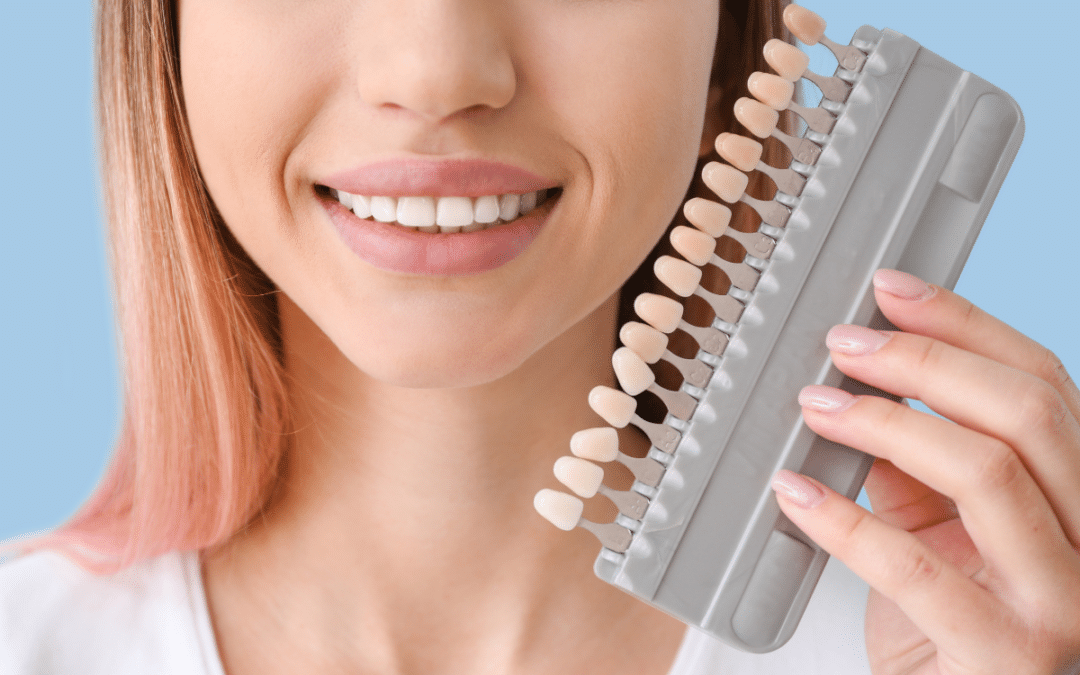
Dental veneers can make a noticeable difference in the appearance of teeth affected by discoloration, chips, uneven shapes, or other cosmetic concerns. But before committing to treatment, many patients have a practical question: Are veneers permanent, or will they eventually need to be replaced?
The short answer is that veneers are designed to be long-lasting, but they are not considered a lifetime restoration. Their lifespan depends on factors such as the material used, oral hygiene, bite forces, habits, and the condition of the underlying teeth.
For patients considering veneers in Webster, understanding what happens over the years can make the decision much easier. Veneers are not simply something that is placed and forgotten. They require the same kind of ongoing dental care as natural teeth, and eventually, a veneer may need repair or replacement.
Are Dental Veneers Permanent?
Veneers are often described as a permanent cosmetic treatment because traditional veneers generally involve preparing the front surface of the tooth before the veneer is bonded into place.
However, permanent does not mean that the veneer will last forever.
Porcelain veneers can last for many years with appropriate care, but they can eventually experience wear, damage, changes around the tooth, or bonding problems. When a veneer can no longer function or look the way it should, replacement may be necessary.
The American Dental Association recommends treating veneers as part of an ongoing oral-care routine. Teeth underneath or around veneers can still develop cavities, and habits such as biting hard objects can damage them.
There is another important distinction: traditional veneer treatment may be irreversible because some enamel preparation can be necessary. If a veneer eventually needs to be replaced, the tooth may need another veneer or another appropriate restoration rather than simply returning to its untreated state.
How Long Do Veneers Typically Last?
There is no single expiration date for every veneer.
Research and dental sources report a wide range of potential longevity depending on the material, patient, oral environment, and care. Some porcelain veneers can remain functional for 10–15 years or longer, but individual results vary. One Rochester-area dental practice, for example, states that porcelain veneers may last 15 years or longer with appropriate care.
It is better to think of veneer longevity as a range rather than a guarantee.
Several factors can affect how long a veneer remains in good condition.
The Veneer Material
Porcelain and composite veneers do not behave exactly the same way.
Porcelain veneers are generally known for their durability and resistance to staining, while composite veneers may require maintenance or replacement sooner depending on the circumstances.
The appropriate material depends on the patient’s teeth, cosmetic goals, bite, and treatment plan.
Your Bite
Excessive forces can shorten the life of a veneer.
Patients who regularly clench or grind their teeth may place additional stress on both veneers and natural teeth. This is one reason a dentist should evaluate the bite before cosmetic treatment.
Oral Hygiene
A veneer does not make the underlying tooth immune to dental problems.
Plaque can still accumulate around the edges of a veneer, and the natural tooth underneath can still develop decay. The ADA specifically notes that teeth with veneers can still develop cavities.
Regular brushing, cleaning between the teeth, and professional dental visits remain important.
Everyday Habits
Certain habits can place unnecessary stress on veneers.
Examples include:
- Biting fingernails
- Chewing ice
- Opening packages with the teeth
- Biting hard objects
- Using the front teeth to tear or cut things
- Participating in activities that could result in dental trauma without appropriate protection
These habits can affect natural teeth as well as veneers.
What Causes a Veneer to Need Replacement?
A veneer does not necessarily need to be replaced simply because it has been in place for a certain number of years.
Replacement may become appropriate when the veneer is damaged, worn, no longer fits properly, or when the tooth underneath develops a problem.
1. The Veneer Chips or Cracks
A veneer can chip or fracture from trauma, excessive biting forces, grinding, or other causes.
A small defect does not automatically mean the entire veneer must be replaced. Depending on the location and severity, a dentist may determine whether repair is possible or whether replacement is more appropriate.
2. The Veneer Becomes Loose
A veneer can occasionally become loose or detach.
If this happens, do not try to permanently glue it back yourself. The underlying tooth should be evaluated by a dental professional.
A loose veneer can sometimes be rebonded, depending on its condition and the condition of the tooth.
3. The Tooth Underneath Develops Decay
One of the biggest misconceptions about veneers is that they completely protect the underlying tooth.
They do not.
The natural tooth remains vulnerable to decay, particularly around areas where plaque can accumulate.
If decay develops underneath or around a veneer, the dentist may need to remove the veneer to evaluate and treat the tooth. In some situations, a different restoration may ultimately be more appropriate.
4. The Gumline Changes
Changes in the gums can sometimes make the edge of a veneer more noticeable.
Gum recession, periodontal problems, or natural changes in the gumline can affect the appearance of a previously well-matched veneer.
This does not necessarily mean the veneer itself has failed, but it may be one reason a dentist recommends evaluation.
5. The Veneer No Longer Looks the Way You Want
Cosmetic expectations can change over time.
A patient may eventually want a different tooth shape, shade, or overall smile design. In that situation, replacement can be considered as part of a new cosmetic treatment plan.
What Happens When a Veneer Needs to Be Replaced?
Veneer replacement is not simply a matter of peeling off the old veneer and putting on a new one.
The dentist first needs to determine why the veneer needs replacement.
An evaluation may consider:
- The condition of the veneer
- The underlying tooth
- The surrounding teeth
- Gum health
- Bite and tooth contacts
- Signs of decay
- Cracks or fractures
- The condition of the existing bonding
If the tooth underneath is healthy and suitable for another veneer, a replacement veneer may be planned.
If the tooth has significant decay, structural damage, or another issue, a different restoration may be more appropriate.
This is an important reason not to think of veneers as purely cosmetic objects. They are bonded to natural teeth, so the health of those teeth remains central to long-term treatment.
Does Replacing a Veneer Mean the Tooth Needs a Crown?
Not necessarily.
A veneer covers the front surface of a tooth, while a crown provides much more extensive coverage.
If a veneer needs replacement, the dentist will assess whether the tooth still has enough healthy structure and whether another veneer is appropriate.
A crown may be considered when a tooth has become significantly weakened or damaged and requires more structural coverage. Veneers generally provide a different type of treatment and should not automatically be treated as interchangeable with crowns.
The right restoration depends on the actual condition of the tooth.
Can One Veneer Be Replaced Without Replacing All of Them?
Sometimes, yes.
If one veneer is damaged while the surrounding veneers remain healthy and aesthetically appropriate, replacing only the affected veneer may be possible.
However, matching a replacement to older veneers can present challenges.
The shade of natural teeth and surrounding restorations can change over time. Lighting, tooth color, material, and the age of the existing veneers can all affect how well a new veneer matches the others.
That is why replacement planning should consider the entire smile rather than looking only at the damaged veneer.
How Can You Make Veneers Last Longer?
There is no way to guarantee a specific lifespan, but good habits can help protect veneers and the teeth supporting them.
Maintain Daily Oral Hygiene
Brush twice a day with fluoride toothpaste and clean between your teeth every day.
Pay particular attention to the gumline around veneered teeth.
Keep Regular Dental Visits
Professional examinations allow your dentist to monitor both the veneers and the underlying teeth.
A veneer can look perfectly normal from the outside while an issue is developing around the tooth or gumline.
Avoid Using Your Teeth as Tools
Don’t use veneered teeth to open packages, bite plastic, crack shells, or chew hard non-food objects.
Address Teeth Grinding
If you clench or grind your teeth, discuss it with your dentist.
A protective mouthguard may be appropriate for some patients, particularly if nighttime grinding is placing excessive force on the teeth.
Protect Your Smile During Sports
A properly fitted mouthguard can help reduce the risk of dental injuries during activities where facial impact is possible. The ADA also recommends mouthguard use for sports and activities that could injure the mouth.
Don’t Ignore Changes
If a veneer suddenly feels different, becomes loose, chips, or develops a rough edge, have it evaluated rather than waiting for the problem to worsen.
Are Veneers Still Worth Considering If They Eventually Need Replacement?
For many patients, the fact that veneers may eventually need replacement does not make them a poor treatment choice.
The more useful question is whether veneers are appropriate for the specific cosmetic concern and long-term oral health situation.
Veneers may be considered for concerns such as:
- Persistent discoloration
- Certain chips or worn edges
- Uneven tooth shapes
- Minor spacing concerns
- Cosmetic imperfections
- Smile symmetry
But veneers are not automatically the best option for every patient.
Depending on the concern, alternatives such as professional whitening, dental bonding, orthodontic treatment, or another restorative approach may be more appropriate.
A good cosmetic consultation should therefore focus on the patient’s teeth and goals rather than assuming veneers are the answer before the examination.
How Innovative Dental Approaches Veneer Treatment in Webster
At Innovative Dental, cosmetic treatment starts with understanding what a patient wants to change and evaluating the health and condition of the teeth involved.
Our cosmetic dentistry services include porcelain veneers along with other smile-enhancement options, allowing treatment to be considered within the context of the patient’s overall oral health.
That matters because the most appropriate cosmetic treatment depends on more than the appearance of a tooth. Tooth structure, bite, gum health, existing restorations, and the patient’s long-term goals all have a role in treatment planning.
For someone considering veneers in Webster, a consultation can help determine whether veneers are appropriate, what type of preparation may be needed, and how to care for the result over time.
Frequently Asked Questions
Are veneers permanent, or do they eventually need to be replaced?
Veneers are designed to be long-lasting, but they are not considered lifetime restorations. They may eventually need repair or replacement because of wear, damage, changes to the underlying tooth, or other factors.
How often do veneers need to be replaced?
There is no universal replacement schedule. Porcelain veneers can last many years with appropriate care, but their lifespan varies based on material, bite, oral hygiene, habits, and the condition of the teeth.
Can I replace just one veneer?
In some cases, yes. If only one veneer is damaged and the surrounding teeth and veneers remain suitable, a dentist may be able to replace the individual veneer. Matching an older veneer can sometimes require careful shade and aesthetic planning.
What happens if my tooth has a cavity under a veneer?
The veneer may need to be removed so the underlying tooth can be evaluated and treated. Depending on the amount of healthy tooth structure remaining, another veneer or a different restoration may be recommended.
Do veneers damage natural teeth?
Traditional veneers may require some preparation of the natural tooth, so they should be planned carefully. Once tooth structure has been removed, it does not naturally grow back. The amount of preparation varies by case and should be discussed with a dentist before treatment.
Considering Veneers in Webster, NY?
Veneers can provide a long-lasting cosmetic change, but they should be viewed as part of an ongoing dental treatment plan rather than a permanent, maintenance-free solution. With appropriate care and regular dental visits, patients can help protect both their veneers and the natural teeth underneath them.
If you’re considering veneers or wondering whether your existing veneers need attention, Innovative Dental can evaluate your smile and discuss the options that make sense for your teeth and goals. Our Webster, NY, office provides cosmetic dental care in a personalized setting, with treatment recommendations based on your individual needs.
Schedule a consultation with Innovative Dental to explore whether veneers are the right choice for your smile and learn what long-term care may look like.