
If you’ve been considering Invisalign as a discreet and comfortable way to achieve a straighter smile, you might be wondering: How long does it actually take to work? While every patient’s journey is unique, knowing what influences Invisalign’s timeline can help you set realistic expectations.
Whether you’re new to orthodontic options or comparing treatment methods, this guide explains what affects Invisalign treatment time and how to get the best results.
Understanding Invisalign
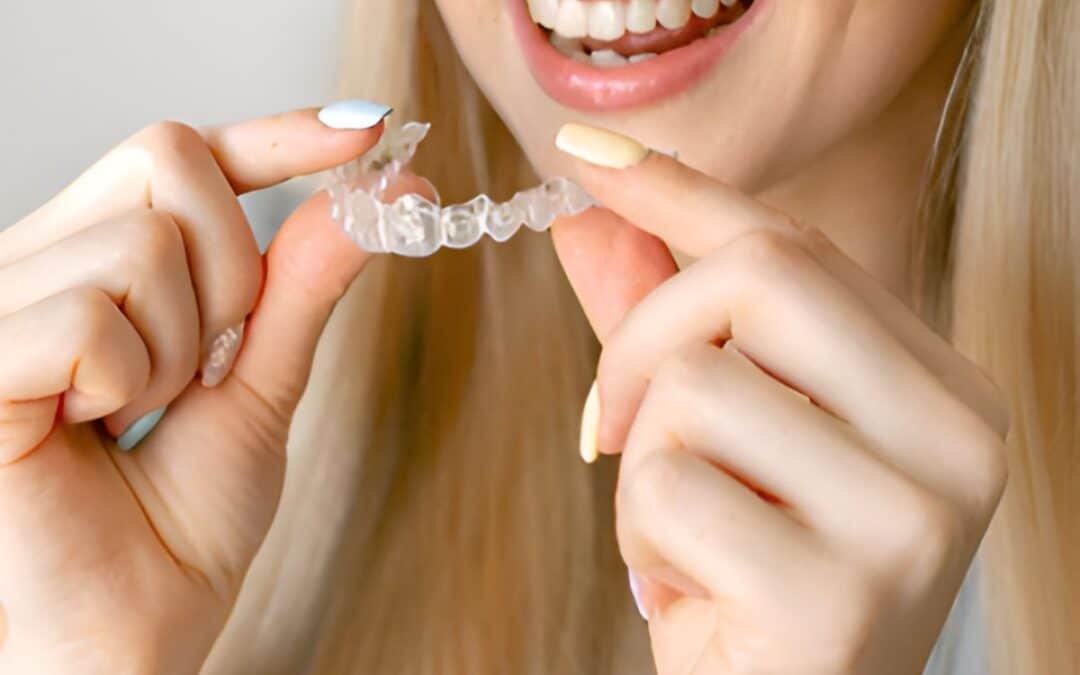
Invisalign is a clear aligner system designed to gradually shift your teeth into their desired positions. Unlike traditional braces, Invisalign uses a series of removable, nearly invisible trays that are replaced every 1–2 weeks. Each set of aligners applies gentle pressure, steadily moving your teeth into better alignment.
Average Invisalign Treatment Time
For most patients, Invisalign treatment takes 12 to 18 months. However, some cases may be completed in as little as 6 months, while more complex cases can take over 2 years. The exact length depends on factors such as:
-
Severity of Misalignment: Mild crowding or spacing issues are often corrected faster than significant bite problems.
-
Age: Younger patients may see quicker results because their teeth respond more readily to movement.
-
Compliance: Wearing aligners for the recommended 20–22 hours per day is crucial to staying on schedule.
Factors That Can Speed Up or Delay Treatment
-
Complexity of Your Case – Issues like overbites, underbites, or rotated teeth require more precise movements, which can lengthen treatment.
-
Consistency in Wearing Aligners – Removing them too often or forgetting to wear them at night can delay progress.
-
Follow-Up Appointments – Regular check-ins with your dentist ensure your treatment stays on track and adjustments are made promptly.
-
Lifestyle Habits – Eating, drinking (other than water), and cleaning your aligners as instructed prevents damage or warping that could slow progress.
How to Stay on Track with Invisalign
If you want your Invisalign treatment in Webster to work as quickly and effectively as possible, here are some tips:
-
Follow the 20–22 Hour Rule – Only remove aligners for meals, brushing, and flossing.
-
Switch Aligners on Schedule – Delays in changing trays can extend your treatment time.
-
Keep Aligners Clean – Rinse and brush them gently to prevent buildup.
-
Attend All Appointments – Your dentist can spot small issues before they cause big delays.
Invisalign vs. Traditional Braces: Treatment Time
In many mild to moderate cases, Invisalign can be as fast—or faster—than traditional braces. The biggest advantage is that treatment can be more comfortable and less noticeable, without the dietary restrictions braces often require. However, patient compliance plays a much larger role in Invisalign’s success.
The Long-Term Benefits of Patience
It’s important to remember that Invisalign is not just about speed—it’s about achieving a healthy, functional, and attractive smile that lasts for years. Rushing the process or skipping steps could compromise results. A steady, well-monitored treatment plan leads to a better bite, improved oral health, and a confident smile you can be proud of.
Conclusion
The timeline for Invisalign treatment varies from person to person, but the results are worth the wait. With consistent wear, good oral hygiene, and guidance from a skilled dentist, you can enjoy a straighter, healthier smile—often in a year or less.
Ready to explore Invisalign in Webster?
At Innovative Dental, we help patients understand every step of their journey to a beautiful smile. Schedule a consultation today to see if Invisalign is the right fit for you.