
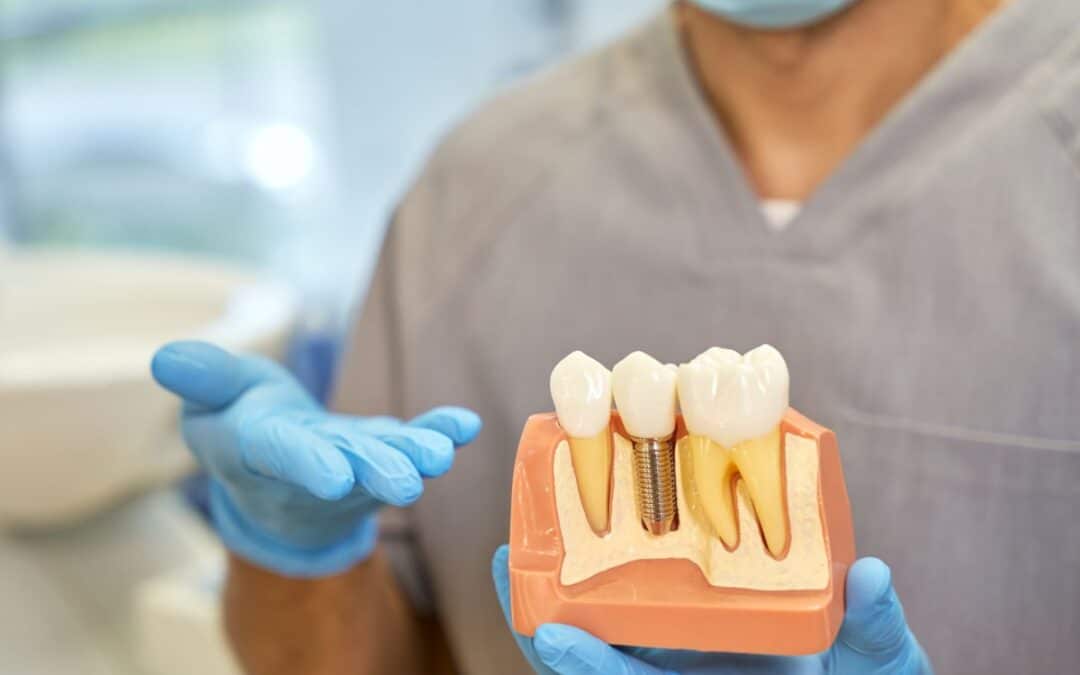
Getting a dental implant is an important step toward restoring your smile, comfort, and confidence. While the procedure itself is highly successful, long-term results depend heavily on how well you care for your implant afterward. Proper aftercare supports healing, reduces the risk of complications, and helps ensure your new tooth functions naturally for years to come.
Patients considering or recovering from dental implants in Webster often ask what they should do after treatment to protect their investment. The good news is that effective aftercare doesn’t require complicated routines—just consistency, awareness, and professional guidance.
Why Aftercare Matters
A dental implant integrates directly with the jawbone through a process called osseointegration. During this time, the surrounding bone and gum tissue need a clean, stable environment to heal properly. Poor aftercare can interfere with healing, increase infection risk, and affect long-term stability.
By following recommended aftercare steps, patients significantly improve the likelihood of lasting success and comfort.
Immediate Care After Implant Placement
Manage Swelling and Discomfort
Mild swelling and tenderness are normal in the first few days. Applying cold compresses and taking prescribed or recommended pain relievers can help keep discomfort under control.
Rest and Avoid Strenuous Activity
Giving your body time to heal is essential. Avoid heavy exercise or physical strain for at least 48 hours, as increased blood flow can worsen swelling or bleeding.
Oral Hygiene: Gentle but Consistent
Keeping your mouth clean is one of the most important aspects of implant care.
Brush Carefully
Continue brushing twice daily, but avoid direct contact with the surgical area for the first few days. Use a soft-bristled toothbrush and gentle pressure.
Floss With Care
Once approved by your dental provider, floss around the implant carefully to prevent plaque buildup without irritating the gums.
Use Rinses as Directed
Saltwater rinses are often recommended during early healing. Avoid alcohol-based mouthwashes unless your provider advises otherwise.
Diet Choices That Support Healing
What you eat plays a significant role in recovery.
Stick to Soft Foods Initially
Choose foods that don’t require heavy chewing, such as soups (lukewarm), mashed vegetables, eggs, and smoothies made without hard or crunchy ingredients.
Avoid Hard, Sticky, or Crunchy Foods
These foods can place pressure on the implant area and slow healing.
Stay Hydrated
Drinking plenty of water supports tissue repair and helps keep the mouth clean.
Habits to Avoid During Healing
Certain habits can interfere with recovery and implant stability.
-
Smoking or vaping: These reduce blood flow and significantly increase failure risk
-
Alcohol consumption: Can slow healing and interact with medications
-
Chewing on ice or hard objects: Places unnecessary stress on healing tissue
Patients working with a dentist in Webster NY are often advised to avoid these habits not only during healing, but long-term to protect overall oral health.
Long-Term Implant Maintenance
Once healing is complete, ongoing care helps ensure lasting results.
Maintain Regular Dental Visits
Routine checkups allow dental professionals to monitor implant health, surrounding gum tissue, and bite alignment.
Address Grinding or Clenching
If you grind your teeth, a night guard may be recommended to protect both implants and natural teeth from excess force.
Practice Daily Oral Care
Brushing, flossing, and professional cleanings remain essential even though implants can’t decay like natural teeth.
Warning Signs to Watch For
While implants have a high success rate, it’s important to stay alert to potential issues. Contact your dental provider if you notice:
-
Persistent pain or swelling
-
Bleeding that doesn’t improve
-
Gum redness around the implant
-
Difficulty chewing
Early attention often prevents minor concerns from becoming serious problems.
The Role of Professional Guidance
Every patient’s healing timeline is unique. Factors such as bone density, overall health, and oral hygiene habits all play a role in outcomes. That’s why personalized aftercare guidance is so important.
At Innovative Dental in Webster, NY, patients receive clear instructions and ongoing support to help protect their implants and maintain long-term oral health.
Conclusion
Dental implants are designed to be a durable, long-term solution—but their success depends on proper care. By following aftercare instructions, maintaining healthy habits, and staying consistent with professional checkups, you can protect your new smile and enjoy comfortable function for years to come. Thoughtful aftercare isn’t just about healing—it’s about preserving results.
If you’ve recently received a dental implant or are considering treatment, schedule a consultation with Innovative Dental in Webster, NY. Their team can answer your questions, guide you through aftercare, and help you protect your smile for the long term.