
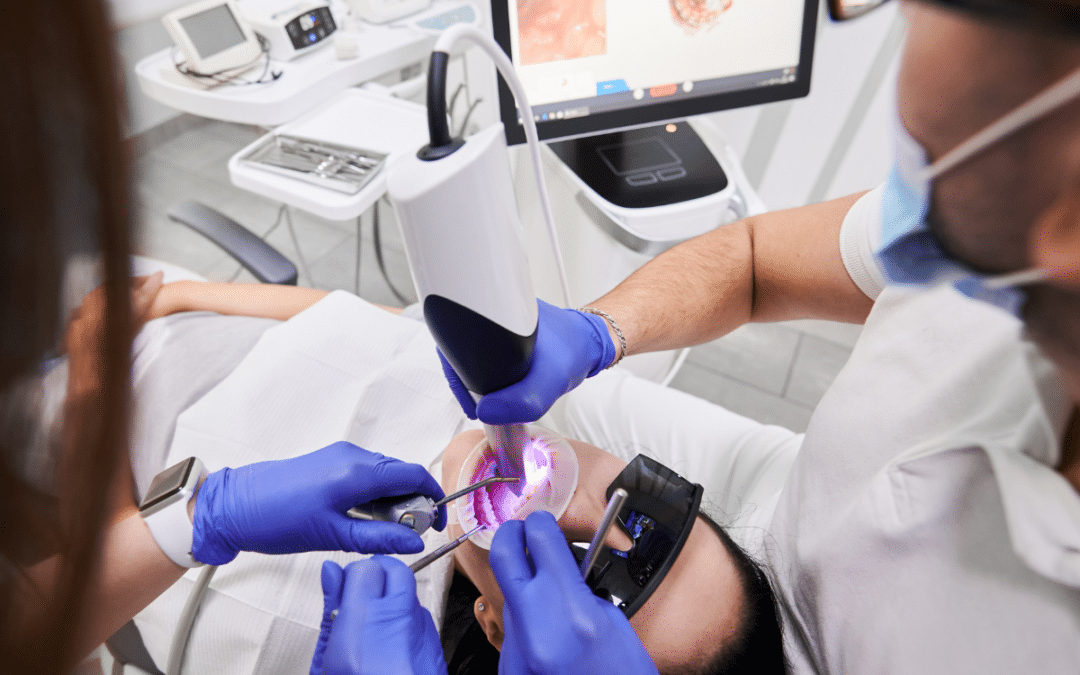
A persistent toothache is more than a localized discomfort; it is a biological alarm indicating that the protective barriers of your dentin have been breached. In Webster, where residents transition from the humid lake air near Lake Ontario to climate-controlled indoor spaces, thermal sensitivity can often trigger latent dental issues. If you’ve spent your morning at the Webster Arboretum only to find that a cool breeze causes a sharp, lingering sting in your jaw, you are likely dealing with more than just temporary sensitivity. Waiting for the pain to “reset” on its own often allows a minor infection to transition into a complex abscess that threatens the integrity of your jawbone.
At Innovative Dental Health and Wellness, Dr. Gary Giangreco and our clinical team utilize a systemic approach to oral care, recognizing that a toothache is frequently a symptom of broader physiological stress. Our practice prioritizes the preservation of natural tooth structure through advanced diagnostics and holistic intervention. If you are experiencing discomfort that disrupts your daily routine, contact us today to stop the progression of decay. Consulting an experienced dentist at the first sign of throbbing can prevent the need for invasive restorative surgery.
Factors that can be the Cause of Your Toothache
Toothaches don’t just happen without reason; they often signal underlying dental issues that need to be addressed. Here are some common causes of toothaches:
Tooth Decay
One of the most frequent causes of a toothache is tooth decay. As bacteria attack the enamel of your teeth, cavities form, which can cause pain if left untreated. The pain may worsen if the decay progresses deeper into the tooth structure.
Gum Disease
Gum disease, or periodontal disease, is an infection of the tissues surrounding your teeth. It often starts with gingivitis, causing inflammation and pain in the gums. If not treated, it can progress to periodontitis, leading to tooth pain and even tooth loss.
Tooth Sensitivity
Tooth sensitivity is a common issue that causes discomfort when eating or drinking hot, cold, or sweet foods. This condition occurs when the protective enamel on your teeth wears down, exposing the inner layers and leading to pain.
Abscessed Tooth
An abscess is a painful infection at the root of a tooth, usually caused by untreated tooth decay or trauma. The infection can spread if not addressed immediately, leading to severe pain and potential complications.
Cracked Tooth
A cracked tooth can be difficult to detect, but it can cause significant pain, especially when chewing. If the crack extends into the tooth’s pulp, it can lead to infection, making the pain worse.
Bruxism (Teeth Grinding)
Teeth grinding, or bruxism, is a common habit that can lead to toothaches. People who grind their teeth at night often experience pain, headaches, and jaw discomfort, which can cause their teeth to become sensitive.
Possible Reasons for Your Escalating Toothache
In a community that enjoys local staples like the seasonal offerings at Schutt’s Apple Mill, being unable to chew without wincing is a significant lifestyle inhibitor. Understanding the specific nature of your pain can help you communicate effectively with your oral care provider.
- Pulpitis (Reversible vs. Irreversible): If pain lingers for minutes after eating something sweet or cold, the inflammation has likely become irreversible, necessitating professional intervention.
- Periapical Abscess: A localized pocket of pus at the root tip can cause a sensation that the tooth is “taller” than its neighbors, making every bite agonizing.
- Alveolar Bone Distress: Deep-seated pain that feels like it is radiating into your ear or temple suggests the infection is moving into the surrounding bone structure.
- Gingival Recession Exposure: If your discomfort is localized at the gum line, the cementum (root covering) may be exposed, leaving the nerve pathways vulnerable to every temperature change.
When Should You See a Dentist?
If your toothache is lingering for more than a day or two and isn’t improving, it’s time to seek professional care. Dr. Gary Giangreco at Innovative Dental can identify the source of the pain and offer an effective treatment plan. Waiting too long to get treatment can worsen the condition, leading to more serious problems.
Here are some signs that it’s time to schedule an appointment:
- Severe or persistent pain
- Swelling around the tooth
- Sensitivity to temperature or pressure
- Difficulty chewing or swallowing
The Risk of Delay: Systemic Complications
Choosing to ignore a toothache in hopes that it will “settle” is a high-risk strategy. Because the mouth is the gateway to the rest of the body, oral bacteria do not stay localized.
- Facial Cellulitis: Infection can track through the soft tissues of the face, leading to visible swelling that requires emergency medical attention.
- Maxillary Sinusitis: The roots of your upper teeth sit directly beneath your sinus cavities; a dental infection can easily migrate upward, causing chronic respiratory distress.
- Nutritional Deficiencies: Chronic pain often leads patients to avoid fibrous, nutrient-dense foods, which negatively impacts overall metabolic health and energy levels.
Frequently Asked Questions
How do I know if my toothache is an actual emergency?
If your pain is accompanied by fever, facial swelling, or a persistent foul taste, it is a dental emergency. These symptoms indicate an active infection that requires immediate clinical intervention.
Will antibiotics fix my toothache permanently?
Antibiotics only suppress the bacteria temporarily; they cannot reach the infection inside the tooth’s non-vascularized center. Only a dentist can physically remove the source of the infection to prevent recurrence.
Why does my tooth hurt even though there is no visible cavity?
Pain often stems from internal fractures or infections beneath the gum line that are invisible to the eye. Digital X-rays are necessary to diagnose issues hidden within the tooth’s structure.
Is it normal for a toothache to come and go?
Intermittent pain often signifies a dying nerve or a fluctuating infection level. Even if the pain stops temporarily, the underlying pathology remains and will eventually lead to a more severe episode.
Can stress in my daily life cause my teeth to ache?
Yes, stress often manifests as bruxism (clenching), which places immense pressure on the periodontal ligaments. This can result in a dull, generalized ache throughout the jaw and upper teeth.
What is the difference between a dental clinic and a holistic dental practice?
A holistic practice like ours focuses on how dental treatments affect your entire body. We prioritize biocompatible materials and look for systemic causes of oral issues, such as airway obstructions.
Do Not Take Toothache Lightly! Seek Immediate Help Today!
Toothaches can be a sign of a more serious dental issue, and ignoring the pain can lead to greater complications down the road. If your toothache isn’t improving, it’s time to visit a trusted dentist who can properly diagnose the cause and provide the necessary treatment.
Dr. Gary Giangreco at Innovative Dental is committed to delivering expert care and getting you the relief you deserve. Don’t wait for the pain to worsen; taking action now can help preserve your oral health and prevent more extensive procedures in the future.
Schedule your appointment and let us help you get back to a pain-free, confident smile. Our team is here to provide compassionate, professional care personalized to your needs. Book now and take the first step toward a healthier, happier smile!